




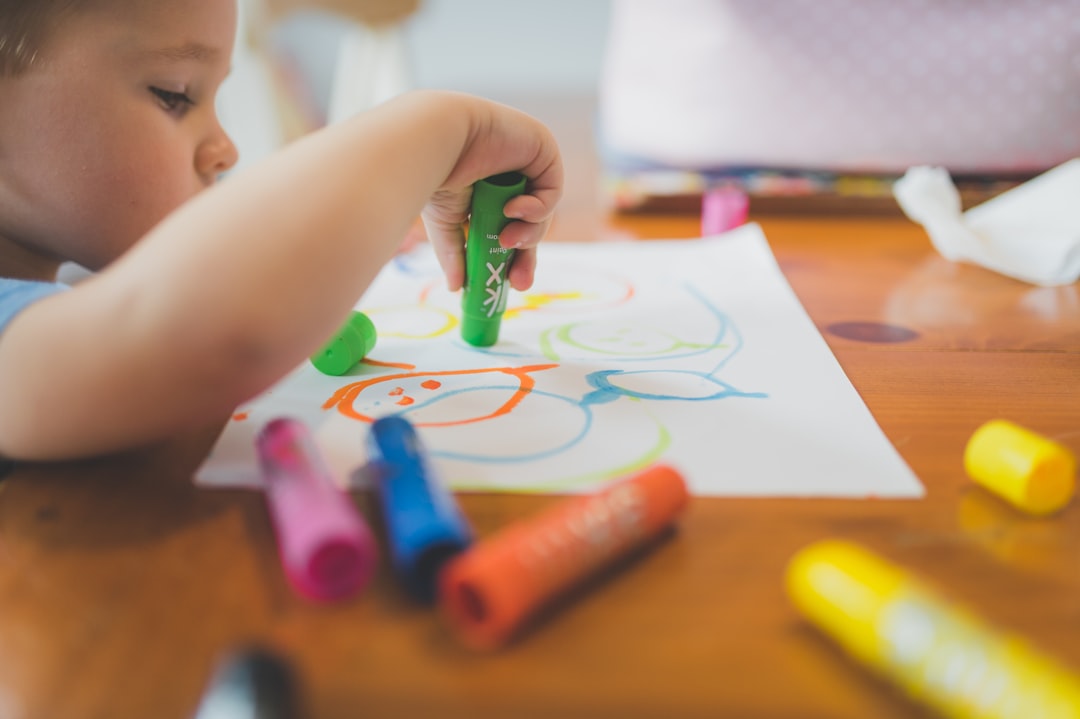
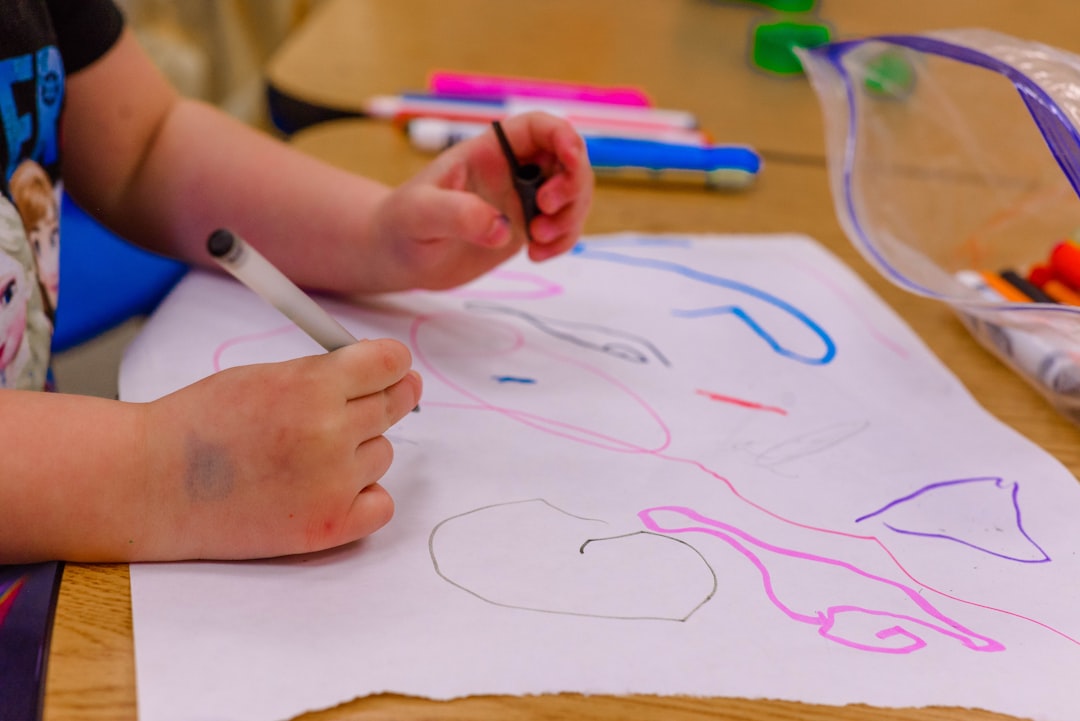
When your child picks up a crayon and fills the page with scribbles, they’re doing important early “writing” work. Between ages 2 and 5, children move through predictable stages as their hands get stronger, their eyes learn to guide movement, and their brains begin connecting marks on paper with meaning. At EduCare Learning Center in Joliet, we celebrate every stage—because those first lines and loops are the foundation for future drawing, letter formation, and confident communication.
Here are a few common early writing stages you may notice at home and in the classroom:
Ages 2–3: Big scribbles, dots, and sweeping lines. Children explore how tools work and practice grip and arm control.
Ages 3–4: Controlled scribbles, circles, and simple shapes. You may see “pretend writing” that looks like wavy lines or rows of marks.
Ages 4–5: More recognizable shapes, some letters (often from their name), and drawings that include details. Many children begin copying lines, crosses, and basic letter forms.
You can support this growth with simple, low-pressure activities: offer chunky crayons or short pencils, tape paper to the table for stability, and let your child “write” grocery lists or sign their artwork. Most of all, focus on effort, not perfection. When children feel safe and encouraged, writing becomes something they want to practice—and that’s where real progress happens.